
Spices and herbs are defined as plant derived substances that add flavor to enhance the taste of dishes. Spices tend to be stronger in flavor than herbs, because they are made from crushed portions of plants that are especially rich in essential oils. Herbs can be found either fresh or dried, chopped or whole and are also used to enhance the flavor of dishes.

Herbs and spices are not only used to increase the flavor, aroma, and sometimes color of food, but are also considered for therapeutic purposes for their potential prevention of different diseases. Various bioactive compounds of spices are responsible for different types of therapeutic properties, thanks to their antioxidant, anti-inflammatory, anticarcinogenic, glucose and cholesterol-lowering properties etc. We are pleased to include a brief summary of the herbs and spices that are used in our seasoning’s blends.
Discover with us

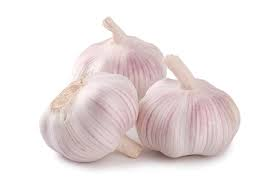
Garlic

Garlic (Allium sativum) is a member of the Amaryllidaceae family that is cultivated all over the world. It provides notable health benefits. When antibiotics and pharmacy products were not yet available garlic was used for medicinal purposes in different epidemics, such as typhus, dysentery, cholera, and influenza.
In culinary, Garlic is widely used around the world as a seasoning or condiment. The garlic plant’s bulb is the most commonly used part of the plant. The bulbs are normally divided into numerous fleshy sections called cloves. They can be consumed raw or cooked. They have a characteristic pungent, spicy flavor that softens and sweetens considerably with cooking. The distinctive aroma is mainly due to its sulfur contents. Other parts of the garlic plant are also edible. In some cultures (Caribbean), the papery protective layers of skin over each clove is used along with other spices like cloves to prepare an infusion that is believed to treat intestinal gas, toothache etc.

Garlic is used in the entire collection.

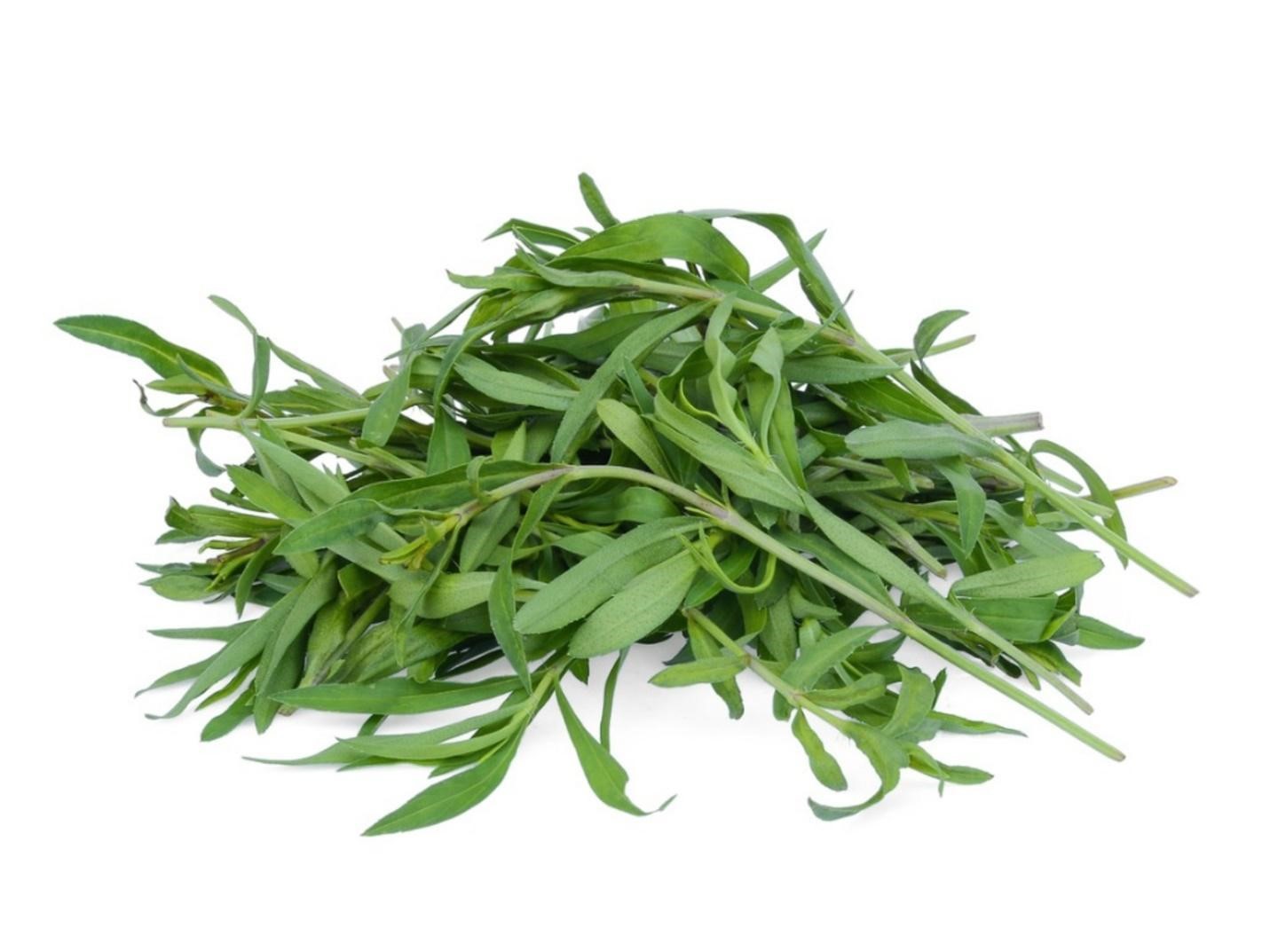
Tarragon

Tarragon is a perennial herb that comes from the sunflower family. Tarragon has many impressive health benefits, including the potential to reduce blood sugar, inflammation and pain, while improving sleep, appetite and heart health.
In culinary, Tarragon is widely used for flavoring. It has a subtle taste and pairs well with dishes like fish, beef, chicken, asparagus, eggs and soups.

Tarragon is used in Seafood delight.

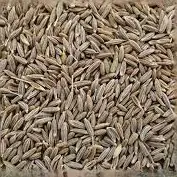
Cumin

Cumin is grown in the Middle East, India, and China. As a medicinal plant, Cumin has known many uses over its long history. It is used to treat conditions ranging from indigestion and diarrhea to headaches, kidney and bladder stones, eye disease, and even leprosy. Today, most cumin sold in the United States originally comes from India.
Cumin has been used to spice food since Ancient Egypt. Cumin is one of the main flavors in chili powder and taco seasoning. It is found in the kitchens of Mexico, Spain, India, North Africa and the Middle East. Cumin enriches the taste of vegetable soups and stews. Cumin has the strength to stand up to grilled and roasted meat. It also pairs really well with sweet vegetables like pumpkin and butternut squash.

Cumin is used in our Tropical stews & Creolicious.

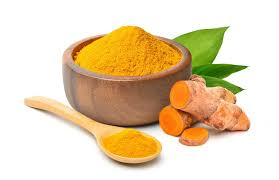
Turmeric

Turmeric is a spice that comes from the root of the curcuma longa plant, which is a perennial in the ginger family. Its major active ingredient is curcumin that gives turmeric its yellowish color. Turmeric has antioxidants and anti-inflammatory properties. It helps lessen inflammation, pain, improves memory, and lower risks of heart disease.

While cooking with turmeric doesn’t give you as big of a health boost, you can still benefit by adding it to: smoothies, Golden milk, Soups, stews, scrambled eggs, Rice and roasted veggies.
It’s one of the main ingredients in a curry sauce — it is potent, pungent, bitter and very earthy.

Turmeric is used in Tropical stews, Seafood delight and All Purpose.

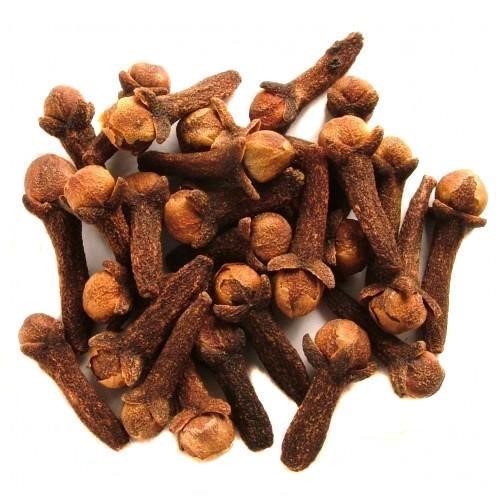
Cloves

Clove (Syzygium aromaticum) is a tree native to Indonesia. Its dried flower buds are a popular spice and are also used in Chinese and Ayurvedic medicine. Clove oil contains a chemical called eugenol that might help decrease pain and fight infections. People commonly use clove for pain during dental work, toothache, hangover, indigestion, dental plaque, and many other conditions.

Clove’s culinary uses are varied. As a flavoring agent, cloves are added to various foods including baked goods, sauces, stews, curries, marinades and rubs. They are also used to flavor hot beverages like tea and cider.

Cloves are used in Rice E-Z and Seafood delight.

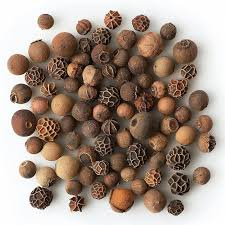
Allspice

Allspice comes from a tropical evergreen tree. It’s native to Central America and the West Indies. Allspice may provide numerous health benefits, including complementary menopause therapy, anticancer, antifungal, antimicrobial, and anti-inflammatory properties, as well as blood sugar and weight management.
Allspice is a versatile spice used in both sweet and savory dishes. It’s particularly well-suited for adding warmth and complexity to baked goods, soups, stews, pickling, and marinades. It’s a key flavor in Jamaican jerk seasoning, the fiery blend of herbs and spices that turns chicken or pork into an instant party.

Allspice is used in our Tropical stews & Creolicious.

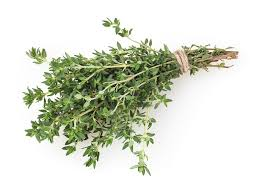
Thyme

Thyme is a Mediterranean herb with dietary and medicinal uses. Thyme leaves and oil have been used to treat a range of symptoms and complaints. These include diarrhea, stomach ache, arthritis, and sore throat. Thyme is used for inflammation of the main airways in the lung (bronchitis), cough, patchy hair loss (alopecia), stomach problems and many other conditions.
Thyme is a versatile herb. It is used to add a savory, earthy flavor to various dishes. It can be used fresh or dried, and is a popular ingredient in stews, soups, sauces, marinades, and braised or roasted meats, vegetables, and fish. Thyme also pairs well with other herbs like rosemary, oregano, and parsley.

Thyme is used in Tropical Stews & Creolicious.

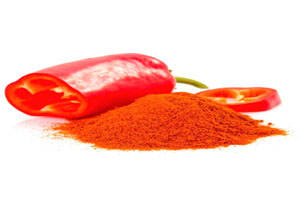
Paprika

Paprika is a spice made from dried, ground red peppers, primarily from the Capsicum annuum family. It’s known for its vibrant red color and can range in flavor from mild and sweet to hot and spicy. The specific type of pepper, its origin, and preparation methods all influence the paprika’s flavor profile. The color of paprika can also vary from bright orange to deep red. Paprika contains capsaicin, a compound found in peppers that has been shown to have a wide range of health benefits. For example, it has antioxidant properties, can help reduce the risk of cancer and heart disease, improve immunity, and even alleviate gas.
Paprika is used in various cuisines around the world, including Hungarian, Spanish, and Mexican cuisines. Paprika adds flavor, color, and depth to various dishes. It’s used in stews, soups, marinades, rubs, and even as a garnish. Its mild, slightly sweet flavor enhances both savory and sweet dishes, making it a versatile ingredient.

Paprika is used in Creolicious & Rice E-Z.

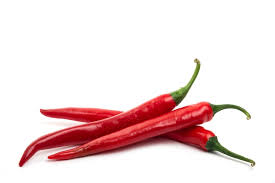
Cayenne pepper

If you like spicy food, you’re probably familiar with cayenne pepper. Cayenne pepper is said to originate from Cayenne in French Guiana. It’s commonly dried and ground into a fine powder. It grows around the world in places such as India, East Africa, Mexico, in the Caribbean and certain areas of the United States. In addition to being delicious, it provides some remarkable health benefits including pain relief, boost metabolism (burn more calories), digestive health, reducing high blood pressure and reducing the risk of heart disease.
Cayenne pepper, in both its fresh and powdered forms, is a versatile spice used to add heat and flavor to a wide variety of dishes. It’s a staple in many cuisines, particularly Mexican and Asian, and can be incorporated into marinades, sauces, soups, stews, and even some desserts.

Cayenne Pepper is used in Tropical Stews, Creolicious, and Rice E-Z seasoning.

Cinnamon

Cinnamon is a spice extracted from the bark of the cinnamon tree. It originated from 4 main regions: Sri Lanka, China, Indonesia and Vietnam. Cinnamon is very well known for its medicinal properties around the world. Cinnamon improves the digestive system and has anti-inflammatory effects. It relieves congestion, nose blocks and can also be used as a homemade acne treatment.

In the kitchen, cooks valued cinnamon because it helped to salvage food from spoiling easily. Asian and Middle Eastern countries, too, have long used cinnamon to flavor meat dishes. It’s also widely used in baking applications. Ground cinnamon is a perfect mate for fruits such as apples, peaches, pineapple, and blueberries for it brings out their natural sweetness.

Cinnamon is used in Cinnamon sugar, Sweet dust.

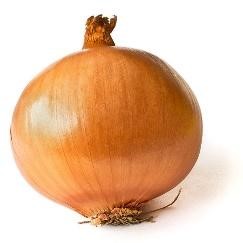
Onions

Onions are members of the Allium genus of flowering plants that also includes garlic, shallots, leeks and chives. As a good source of vitamin C, onions may support the building and maintenance of collagen that provides structure to skin and hair. Their fiber content promotes good digestion and helps keep you regular. Onions can also provide relief from asthma symptoms, cold, whooping cough. They are among the most significant sources of antioxidants in the human diet and are believed to help prevent stomach and colorectal cancers.
Onions vary in size, shape, color, and flavor. Their taste can range from sweet and juicy to sharp, spicy, and pungent, often depending on the season in which people grow and consume them. The most common types are red, yellow, white and sweet onions. They can be grilled or pickled, roasted, sautéed, caramelized or used in tarts, soups, stews, and sauces, in salads, sandwiches or salsas.

Onion is used in Rice E-Z, Creolicious, and Chicken Party.

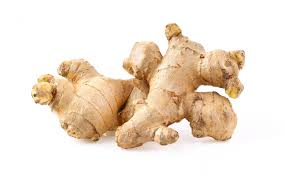
Ginger

Ginger is a flowering plant, specifically its root (rhizome), widely used as a spice and a medicinal herb. It is known for its pungent flavor and potential health benefits, including aiding digestion and relieving nausea. Ginger is a member of the Zingiberaceae family, which includes turmeric.
Ginger is a versatile spice used in both sweet and savory cooking, adding a warm, spicy flavor to a wide range of dishes. It can be used fresh, ground, or in pickled or crystallized forms. Fresh ginger is commonly used for savory dishes including soups, curries, stews, sauces and marinades while ground ginger is a staple in baked goods, sweet treats and drinks. Ginger is also a key ingredient in many Asian and Indian cuisines, as well as being a popular spice in Western baking.

Ginger is used in Tropical Stews and Sweet dust.

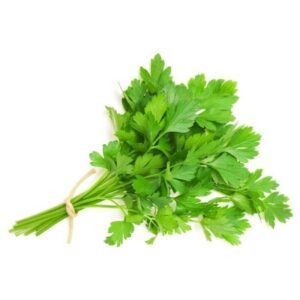
Parsley

Parsley or garden parsley is known formally as Petroselinum crispum and is native to the central and eastern mediterranean region. It is commonly used as a garnish, but more popularly used as a spice. There are two main varieties of parsley: curly leaf and flat leaf. Curly leaf is probably the most recognizable, as restaurants often use it as a garnish on their plating, but both varieties are widely used in cooking.
Because of its light scent and fresh taste, parsley can be used in anything from soups to sauces to vegetables. In Middle Eastern cuisine, parsley is one of the main ingredients in dishes such as tabbouleh, a salad using bulgur, mint, parsley, and vegetables, and is the main herb used in stuffing for grape leaves. As a garnish, parsley can be chopped and sprinkled in soups, hummus, or mixed with ground meat, such as lamb. Parsley is commonly used as a vegetable in many soups, stews, and casseroles and features in Caribbean cuisines.

Parsley is used in Tropical stews & Creolicious.

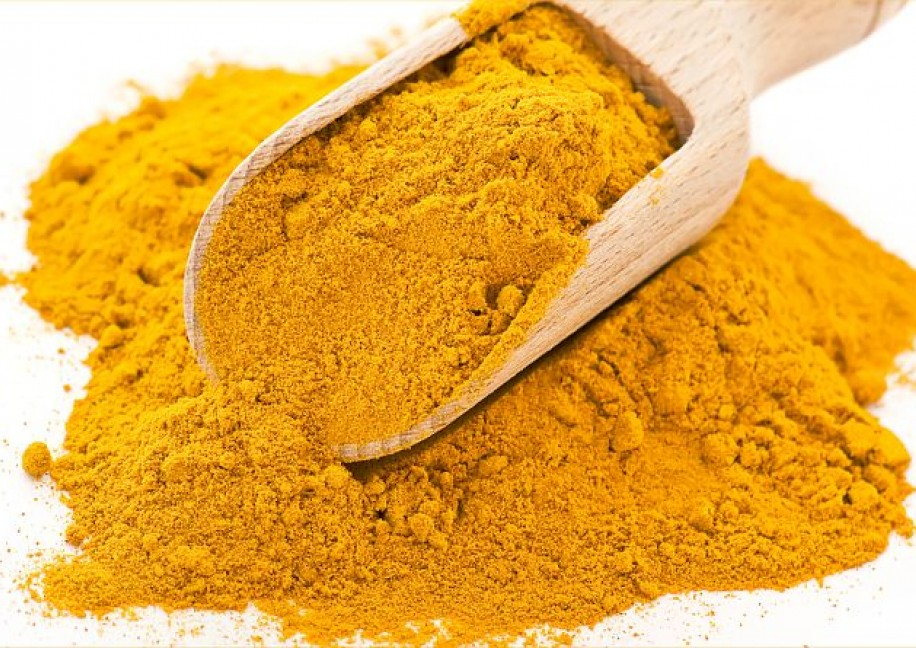
Curry Powder

Curry powder is a mix of various dried, ground spices. It usually looks bold yellow or orange in color. The most common ingredients of curry powder are turmeric, coriander, cardamom, cumin, sweet basil, and red pepper. Some other ingredients that are occasionally added, depending on the specific recipe, are fennel seeds, ginger, garlic, cinnamon, or mustard seeds. Curry powder is believed to help in cancer prevention, protection against heart and Alzheimer’s disease as well as pain and inflammation. It also improves bone health, boosts immunity, and increases the liver’s ability to remove toxins from the body.
While “curries” are often used in international Indian cuisine, this term generally means “sauce” and is used to describe many different kinds of sauces. Most of the time, they do not contain curry powder. Curry powder can be hot or mild, depending on its chili powder content.

Curry powder is used in Tropical Stews.

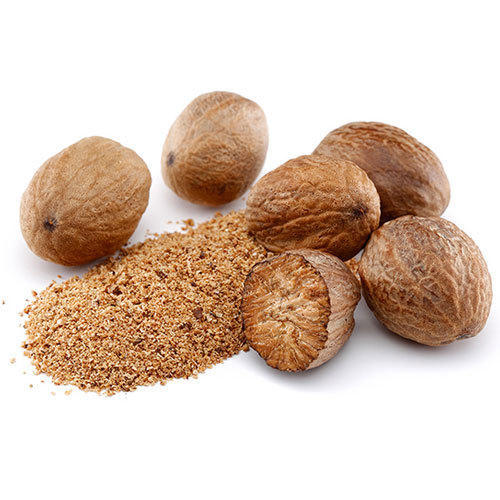
Nutmeg

Nutmeg comes from the seed of the Myristica fragrans tree. It grows in Malaysia, the Caribbean, and Southern India as well. Indonesia produces the majority of the world’s nutmeg. It is sold either ground or in whole seeds. Nutmeg is a rich source of antioxidants, which help protect against the signs of aging and serious conditions such as cancer, heart disease and liver disease. Nutmeg oil is used in dental products. Nutmeg improves mood and has been shown to aid sleep.
It is also the only tropical tree in the world which is credited for bearing two distinct spices – nutmeg and mace.
The spice flavors many dishes, both savory and sweet, in cuisine across the globe. Besides being an exotic spice, nutmeg is grouped under the category of aphrodisiacs, and in cooking, only small quantities – such as a little grating or a pinch of the ground powder – are used to make porridges, soups, meat gravies, beef stew, steaks, roulades, and desserts.

Nutmeg is used in our Cinnamon sugar mix, Sweet dust.